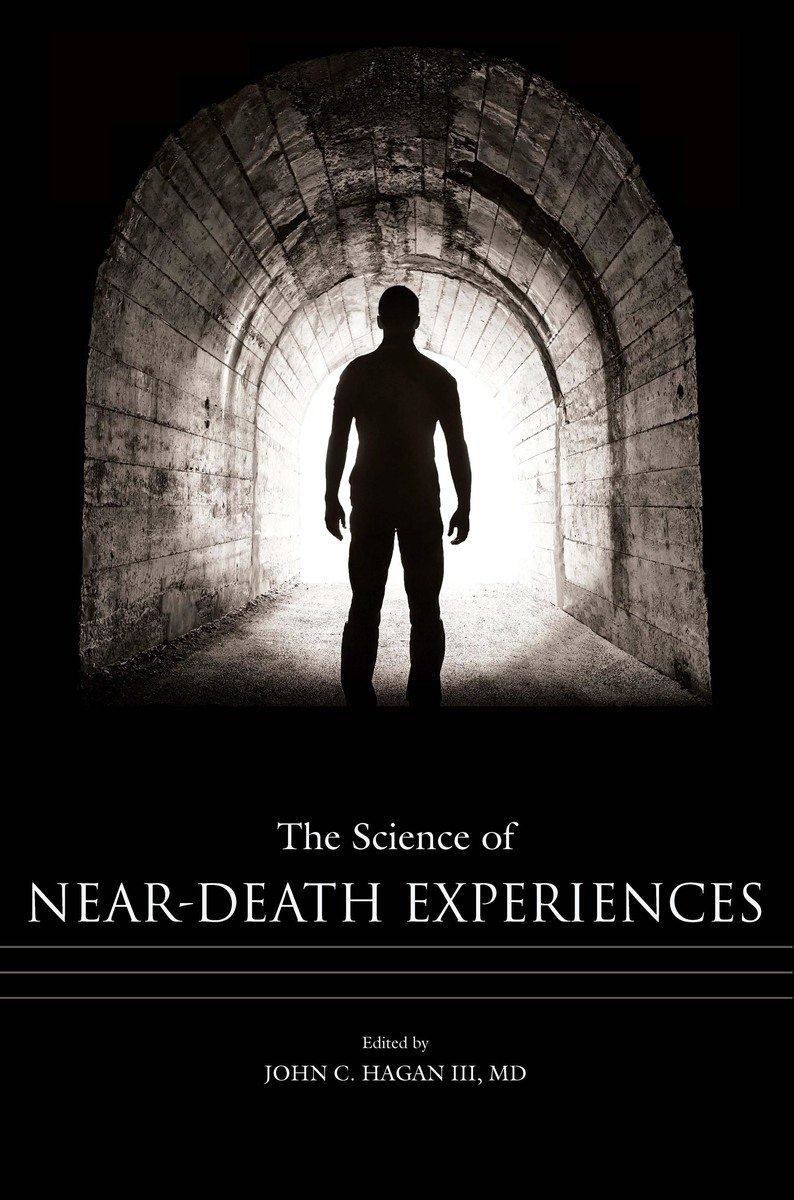
Life in the halls of Grey Sloan Memorial is rarely mundane, but few characters have navigated a personal gauntlet as brutal and transformative as Dr. Jo Wilson. Her journey, a compelling saga of survival against impossible odds, truly offers A Deep Dive into Jo Wilson's Story Arc & Near-Death Experiences. From early life trauma to the intense pressures of high-stakes medicine, Jo has repeatedly faced circumstances that pushed her to the absolute brink, shaping her into the resilient and compassionate doctor we know.
While perhaps not always involving a flatlined heart monitor, Jo's experiences echo the profound psychological and spiritual transformations often reported by those who've encountered a "near-death experience" in its broadest sense. Her story is a testament to the human spirit's capacity for rebirth even after profound devastation.
At a Glance: Jo Wilson's Path to Resilience
- A Survivor's Blueprint: Jo's life is marked by intense trauma, including homelessness, abuse, and abandonment, forcing her to develop extraordinary resilience from a young age.
- Beyond Clinical Death: While she may not have had a traditional "white light" NDE, Jo has faced multiple life-threatening situations and profound psychological crises that challenged her sense of self and purpose.
- Transformation Through Trauma: Each near-catastrophe, from escaping her abusive husband to navigating severe depression, led to significant personal growth and a deeper understanding of life.
- Echoes of NDE Themes: Her journey reflects common NDE themes like a re-evaluation of values, a heightened sense of purpose, and an intense appreciation for the preciousness of life.
- A Future Forged in Fire: Her past experiences continue to inform her character, her career choices (like specializing in OB/GYN), and her unwavering commitment to life and family.
Understanding Near-Death Experiences: More Than Just a Flatline
When we talk about Near-Death Experiences (NDEs), the mind often conjures images of a flatlined patient seeing a tunnel of light. And in many cases, that's precisely what happens. NDEs are profound events reported by individuals who come close to death or face life-threatening situations, often during cardiac arrest, severe accidents, or critical illnesses. They challenge our understanding of consciousness, suggesting it might exist independently of a functioning brain.
Consider the documented experience of Jo B in 1983. After sudden nausea and losing consciousness, she reported moving out of a dim corridor into a brilliant white light. This light wasn't just illumination; it was a "knowing," loving, and intimately knowledgeable presence. Jo B, 35, realized she was dead. Time dissolved, and she experienced multiple events concurrently, enveloped in an indescribable feeling of awe, ecstasy, and perfect peace. She communicated telepathically with the Light, which knew her better than she knew herself, loved her unconditionally, and conveyed that all her problems and hurts would ultimately lead to redemption.
This experience, and countless others like it, reveals patterns: profound peace, a sense of unity, a life review, encounters with deceased loved ones, and often, a deep reluctance to return. Yet, a defining characteristic is the choice to return, often prompted by a voice or a pull back to loved ones. Jo B, despite not wanting to leave, heard her husband Ed calling her name, a powerful emotional anchor pulling her back to her body. Such accounts highlight the deep, transformative impact these moments have, often changing a person's life trajectory, values, and perception of existence.
While Jo Wilson's journey in Grey's Anatomy may not feature classic clinical death and a journey to a "white light," her story is replete with "near-death experiences" in a broader, more human sense. She has faced moments of such profound physical and psychological peril that they effectively shattered her old self, forcing a rebirth.
Jo Wilson's Gauntlet: A History of Survival and Transformation
Jo Wilson’s life began under circumstances that predisposed her to a constant state of survival. Abandoned as a baby, she spent her formative years navigating the brutal realities of the foster care system and later, homelessness. These weren't fleeting moments of danger; they were a sustained, existential "near-death" experience of identity, security, and hope. Each day was a battle for survival, forging a resilience that would define her.
The Shadow of Paul Stadler: A Death of Innocence
Perhaps the most harrowing and defining "near-death" chapter in Jo's adult life was her marriage to Paul Stadler. His physical and psychological abuse stripped her of her name, her sense of self, and her safety. Living under his thumb was a constant state of terror, a slow, agonizing death of spirit. When she finally escaped, fleeing across the country and adopting a new identity, it was a symbolic death and rebirth.
This isn't a traditional NDE, yet it mirrors the psychological impact. Survivors of severe trauma often describe feeling utterly detached from their bodies, experiencing a profound shift in perception, and a complete re-evaluation of what matters. Jo's escape wasn't just physical; it was an active reclamation of her consciousness and her future. The confrontation with Paul years later, and his eventual death, allowed her to truly sever ties with that part of her past, cementing her survival and solidifying her newfound strength.
The Trauma of Abandonment: A Repeated "Death" of Trust
A recurring theme in Jo's life is abandonment, starting from birth. This isn't a single "near-death" event, but a series of emotional collapses that profoundly impacted her ability to trust and form attachments. The most significant modern recurrence came with Alex Karev's abrupt departure. For Jo, this was the severing of her most stable and loving relationship, a partner who understood her past and embraced her future.
Alex leaving, especially in the way he did, felt like another profound death — the death of a partnership, a family, and a future she had meticulously built. It plunged her into a deep depression, an emotional near-death where she questioned her worth and her ability to overcome pain. Like those who return from an NDE with a renewed sense of purpose, Jo had to actively choose to re-engage with life, find meaning beyond the loss, and redefine her own happiness.
Facing the Brink: Moments of Physical Peril
While Jo's primary "near-death" experiences are often psychological, she's also stared down physical danger inherent to her profession and the dramatic landscape of Grey Sloan Memorial:
- Hospital Shootings & Explosions: Working in a hospital that's practically a magnet for disasters, Jo has been present during multiple life-threatening events. While specific bullet wounds or direct explosions might not have been hers, the sheer proximity to death, the frantic life-saving efforts, and the constant threat underscore a doctor’s daily dance with mortality.
- Patient Attacks & Medical Crises: As a resident and attending, Jo has undoubtedly faced aggressive patients or been in situations where her own safety was compromised. The high-stress, high-stakes environment means physicians are constantly pushed to their limits, both mentally and physically. These aren't NDEs, but they are continuous reminders of life's fragility.
Each of these moments, whether personal or professional, reinforced her awareness of life's precariousness and her own unwavering will to survive and thrive.
Echoes of the Other Side: Jo's Resilience and Transformation
What’s remarkable about Jo Wilson's story is how her "near-death" experiences, whether actual physical danger or profound psychological trauma, have mirrored the transformative outcomes often reported by NDE survivors.
Many NDE experiencers speak of:
- A renewed sense of purpose: Jo, after surviving her past, dedicated herself to medicine, specifically driven to help others, a calling she clung to even through her darkest times.
- Deep appreciation for life: Having known true desperation and loss, Jo cherishes her friendships, her career, and later, her role as a mother. She understands the fragility and preciousness of every moment.
- Changed values and priorities: Her shift from general surgery to OB/GYN isn't just a career move; it's a reflection of her profound desire to be involved in the creation of life, to nurture new beginnings. After so much death and destruction in her own past, bringing new life into the world is a powerful act of healing and purpose.
- Increased compassion and empathy: Her difficult past allows her to connect deeply with patients, especially those facing their own moments of despair or trauma. She sees beyond the immediate symptoms to the person’s pain, having walked that path herself.
Her decision to adopt Luna, a baby who also faced abandonment, is perhaps the ultimate expression of this transformation. It's a defiant act of love and creation, directly confronting the pain of her own past and choosing to break the cycle. This profound shift, from a survivor seeking refuge to a nurturer building a family, is a testament to the power of healing after trauma, much like the profound reorientation reported by those who've literally returned from the brink.
The Lingering Question: What Lies Ahead for Jo?
Jo Wilson's story arc is far from over, and her journey continually keeps viewers on the edge of their seats. Given her history of navigating crisis after crisis, it’s only natural to wonder about her future. In the ever-unpredictable world of Grey Sloan, many fans are often left asking: Will Jo die in Season 22?
While show creators notoriously keep plot details under wraps, Jo's extensive history of "near-death" experiences and profound resilience suggests she's a character built to endure. Her ability to bounce back from unimaginable adversity is a core part of her identity. Each time she has faced a precipice, she has found a way to climb back, stronger and more determined. This resilience, forged in the fires of trauma, often points to a character designed for long-term narrative impact rather than sudden demise. However, in a medical drama where no one is truly safe, the question always looms, keeping us invested in her incredible journey.
Beyond Survival: Living with Purpose After the Brink
Jo Wilson's story is a compelling blueprint for human endurance and transformation. It reminds us that "near-death experiences" don't always require a flatlined heart monitor or a journey to a tunnel of light. They can manifest as profound psychological traumas, periods of intense despair, or life-threatening situations that force a complete re-evaluation of one's existence.
Her journey teaches us several invaluable lessons:
- Resilience is forged, not given: Jo's ability to survive and thrive wasn't inherent; it was developed through persistent struggle and an unwavering will to live.
- Trauma can be a catalyst for growth: While incredibly painful, her past experiences became the foundation for her empathy, her strength, and her ultimate purpose. She chose to let her pain refine her, not define her.
- Purpose can be found in service: By dedicating her life to healing and bringing new life into the world, Jo found a profound sense of meaning that transcends her personal suffering.
- Redefining "family" and "home": Despite a lack of traditional familial roots, Jo built her own family, first with Alex, then with her friends, and ultimately with Luna, demonstrating that connection and love can create a powerful sense of belonging.
Ultimately, Jo Wilson's story is a testament to the enduring power of the human spirit. It's a vivid illustration that even after facing the metaphorical (and sometimes literal) brink of death, it's possible not just to survive, but to truly live, finding profound purpose and joy on the other side. Her life is a guide for anyone navigating their own deep dives into adversity, showing that rebirth is always possible.